Regarding supply chain issues, the global pandemic is not finished wreaking havoc.
But despite continued backlogs, we’re hopeful that 2024 might be a little better when it comes to delivering the products our customers order.

Regarding supply chain issues, the global pandemic is not finished wreaking havoc.
But despite continued backlogs, we’re hopeful that 2024 might be a little better when it comes to delivering the products our customers order.
Tags: Two Way Radios, Chicago Communications
Read MoreFor years, radio users had their own language - 10 codes. The lingo filtered into popular culture, and even folks who didn’t use two-way radios would say “10-4” to mean “affirmative.”
Despite their continued use in some industries and law enforcement, codes and other jargon terms are being abandoned in favor of what is called “plain language.”
As early as 2006, the National Incident Management System (NIMS) ALERT wrote: “While the NIMS Integration Center does not require plain language for internal operations, it strongly encourages it, as it is important to practice everyday terminology and procedures that will need to be used in emergency incidents and disasters. NIMS implementation is long-term, and persuading everyone to change ingrained habits overnight is probably impossible. But we do hope that over time, everyone will understand the importance of using common terminology, that is, plain language, every day.”
What are these “ingrained habits,” and how important are they in today’s two-way radio communication?
Tags: Two Way Radios, Public Safety Communications
Read MoreIf you’re in the market for a new two-way radio solution, you may be feeling overwhelmed by all of the options: Analog vs. digital? Trunked radio system vs. Conventional? Repeater vs. Distributed Antenna System?
Working with trusted two-way radio service providers is ultimately the best way to determine which solution will best meet your needs, and it’s a good idea to go into your conversations with providers with some homework already done.
For now, let’s start with just one of your many options by helping to answer: What’s the difference between a conventional and trunked radio system?
Tags: Two Way Radios, Public Safety Communications
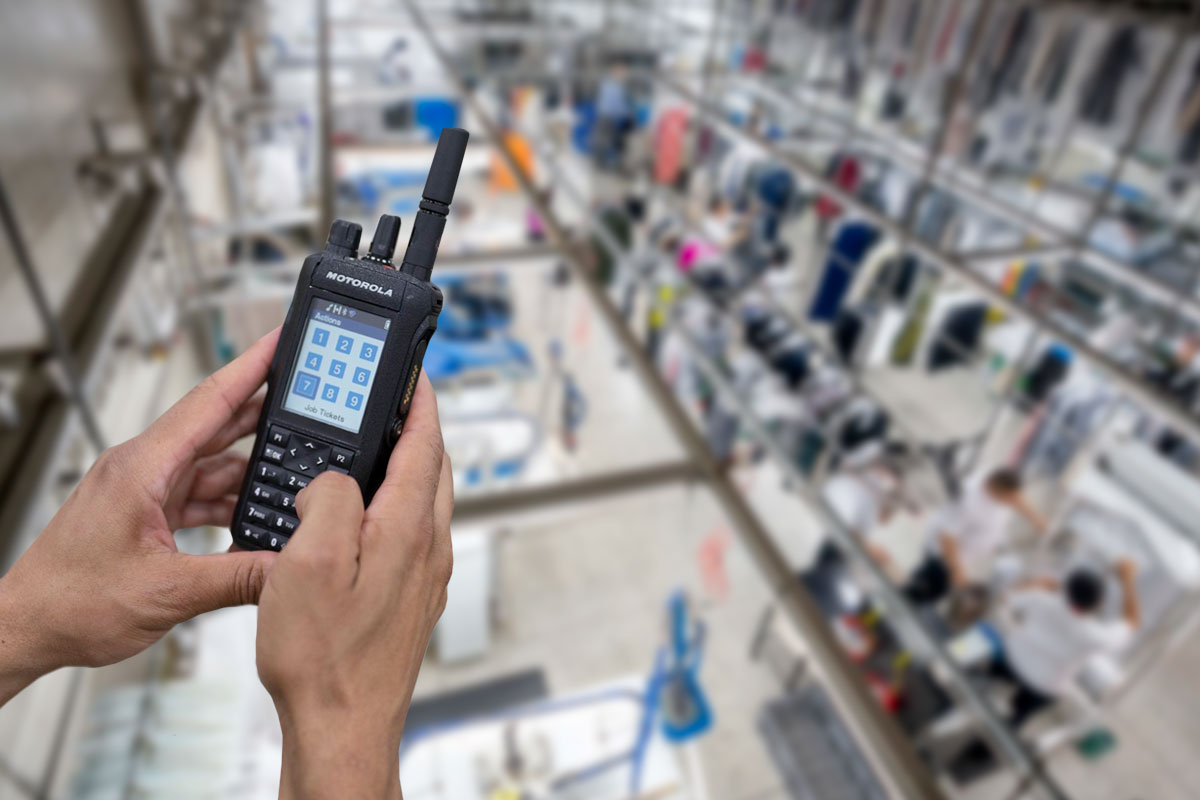
Read MoreTwo-way radio, walkie-talkie, portable radio, transceiver—whatever you call it, you likely know what it does. At its simplest, a two-way radio is a device that can both send and receive communications via radio waves. They are ideal for use in most work environments: warehouses, factories, schools, and hospitals, as well as for emergency first responders and truck drivers on the move.
Beyond that, two-way radios have a wide range of features. These days, they’re more like computers, with different software and features that can be adapted to your needs. If you want to understand the basics of two-way radios better or are exploring communication options for your team, here's an overview of two-way radios.
Tags: Two Way Radios, Digital Two-Way Radios
Read MoreWhen a company grows, its radio equipment needs to grow along with it. Over time, coverage may become spotty, or there simply aren’t enough devices to go around. This likely doesn’t mean the whole system needs an overhaul; instead, it’s a time to reevaluate your radios’ current setup and use, as well as your future goals.
Tags: Two Way Radios, Chicago Communications, Motorola Solutions, Wireless Communication, Radio System, Technology
Read More
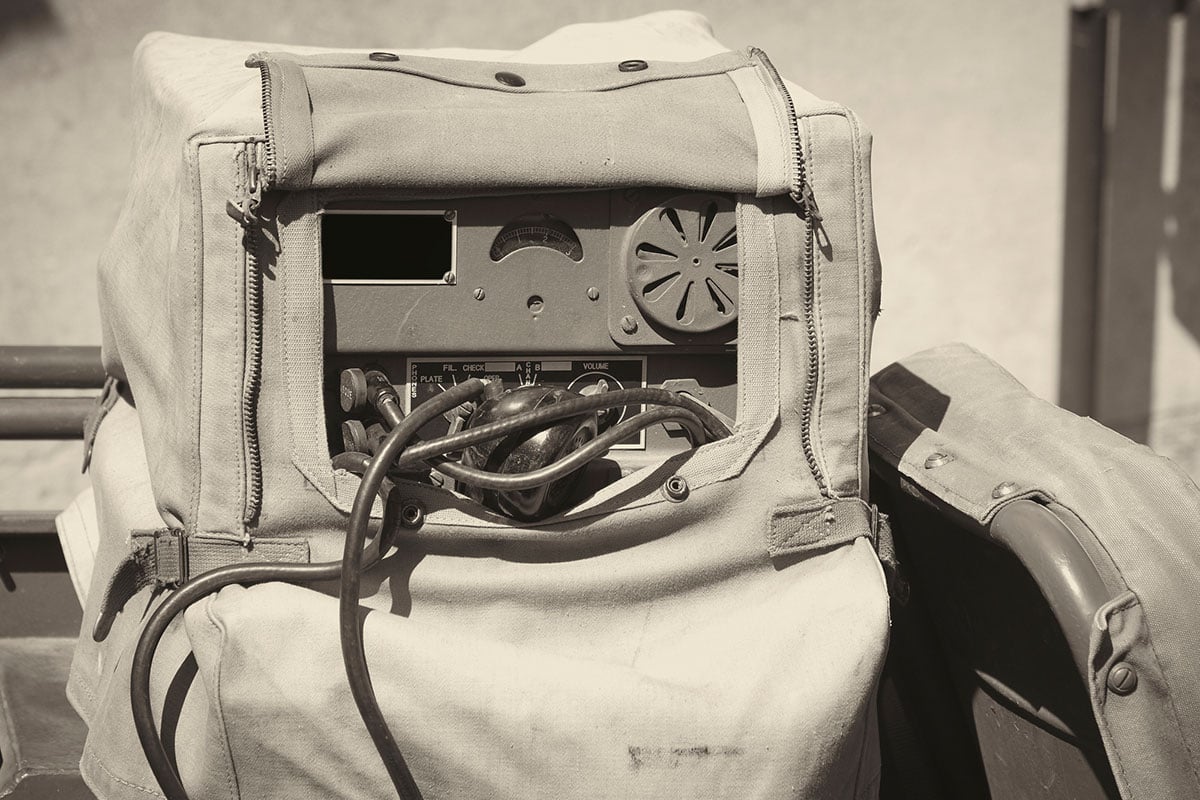
To fully appreciate how far two-way radio communication has come, it's fascinating to take a look at where it started. From the initial discovery of “wireless waves” in 1886 to today’s technology that can turn any mobile device or computer into a radio, it’s been a long, winding, and increasingly sophisticated road.
And it all starts with German physicist Heinrich Rudolf Hertz, who didn’t think his wireless discovery would go anywhere.
Here's a brief history lesson into the evolution of two-way radios.
Tags: Two Way Radios, Motorola Solutions, History
Read MoreEvery year, it seems that the communications needs of companies and organizations evolve. Sure, the general needs are fairly consistent - reliable and secure communication, ensuring the safety of students/guests/patients, etc. - but goals evolve, and so do challenges.
This post is a quick look at four of the most common communications challenges that organizations across the country encounter on a daily basis. These aren’t industry-specific, as they relate on some level to multiple industries. For more information on how your organization can overcome these challenges, you can download our free eBook, the Wireless Communication Survival Guide.
Here are four of the most common communication challenges:
Tags: Two Way Radios, Bi-Directional Amplifiers, Digital Two-Way Radios, Distributed Antenna System
Read MoreIt goes without saying that safety is a top-tier concern for businesses and organizations. With new federal and state mandates to have robust and secure commercial safety plans in place, safety has become a renewed priority. Hospitals, schools, industry, and manufacturing are all looking for products and technological solutions to support and service their safety plans.
Tags: Two Way Radios, Safety Solutions, Safety Reimagined
Read MoreTwo-way digital radios provide instant, secure, and high-performing communication that helps increase productivity, improve resolution time, enhance safety, and protect workers. In addition, devices' long life and durability reduce costly repairs and downtime, but they still need servicing and maintenance.
Tags: Two Way Radios, Radio System, Safety Reimagined
Read MoreAs more districts are discovering every day, two-way radios in K-12 schools are the centerpiece of any effective safety plan.
Radios outpace cell phones in terms of reliability, durability, and functionality, and there are tailored radio solutions available regardless of the communications challenges schools and districts face.
This safety guide with case studies provides a comprehensive overview of two-way radios in K-12 schools and the options available for overcoming infrastructure, geographic and logistical issues.
Tags: Two Way Radios, Education, Digital Two-Way Radios, Distributed Antenna System
Read More