
<img height="1" width="1" src="https://www.facebook.com/tr?id=177704282845749&amp;ev=PageView &amp;noscript=1">

Chicomm Blog

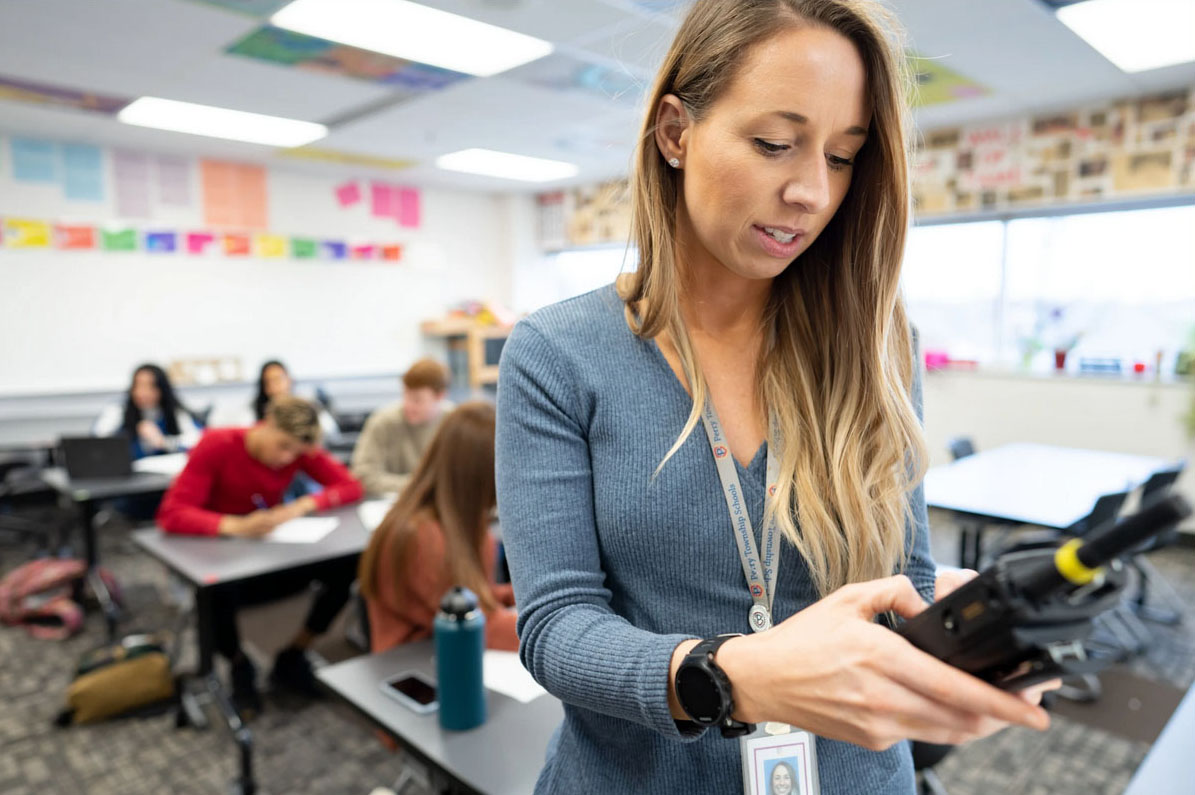
School security is always top of mind for district leaders and staff — and challenges are compounded when the campus is spread across multiple buildings spanning miles.

How do administrators, security staff, teachers, and other employees stay in touch on a day‑to‑day basis or in case of an emergency? 

In two Illinois school districts — Barrington 200 and District 214, the second‑largest school district in the state — leaders, and staff have overcome communications challenges by utilizing a seamless communications infrastructure that provides safety and security — allowing them to focus on the success of students.

These are two examples of how to build a successful campus communications system.

Read More

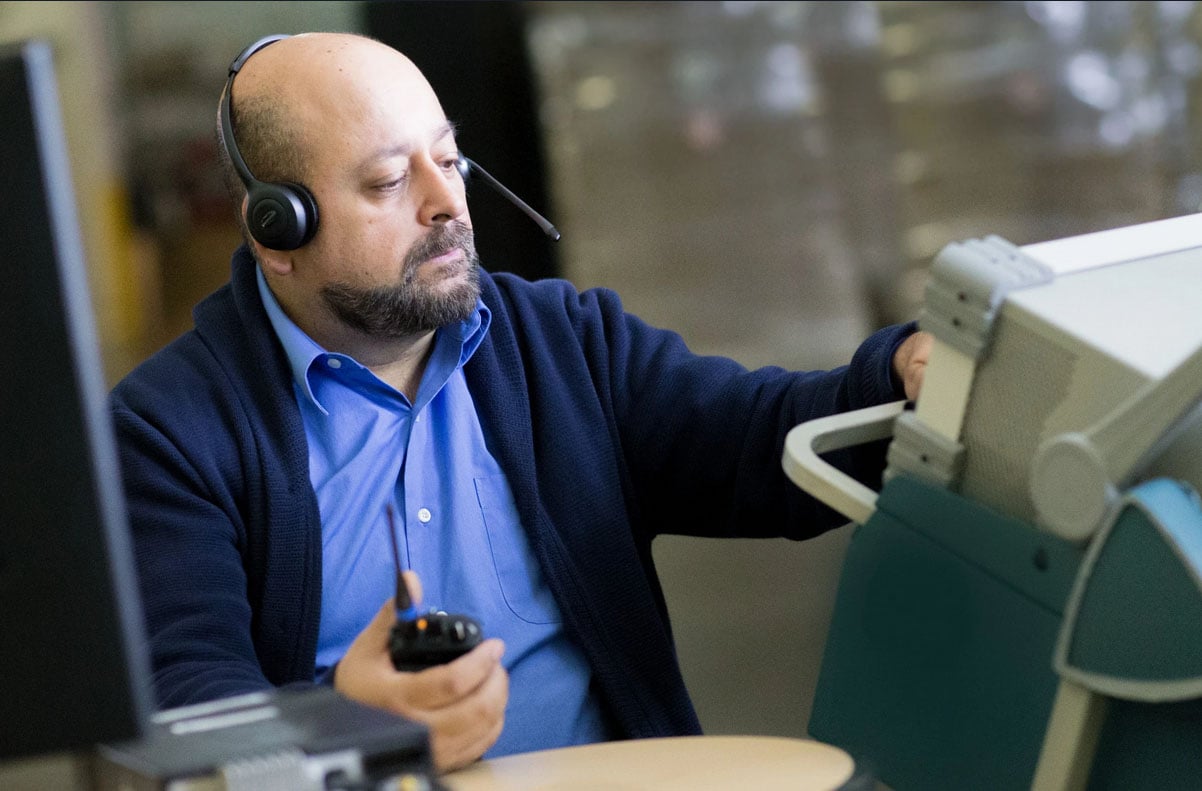
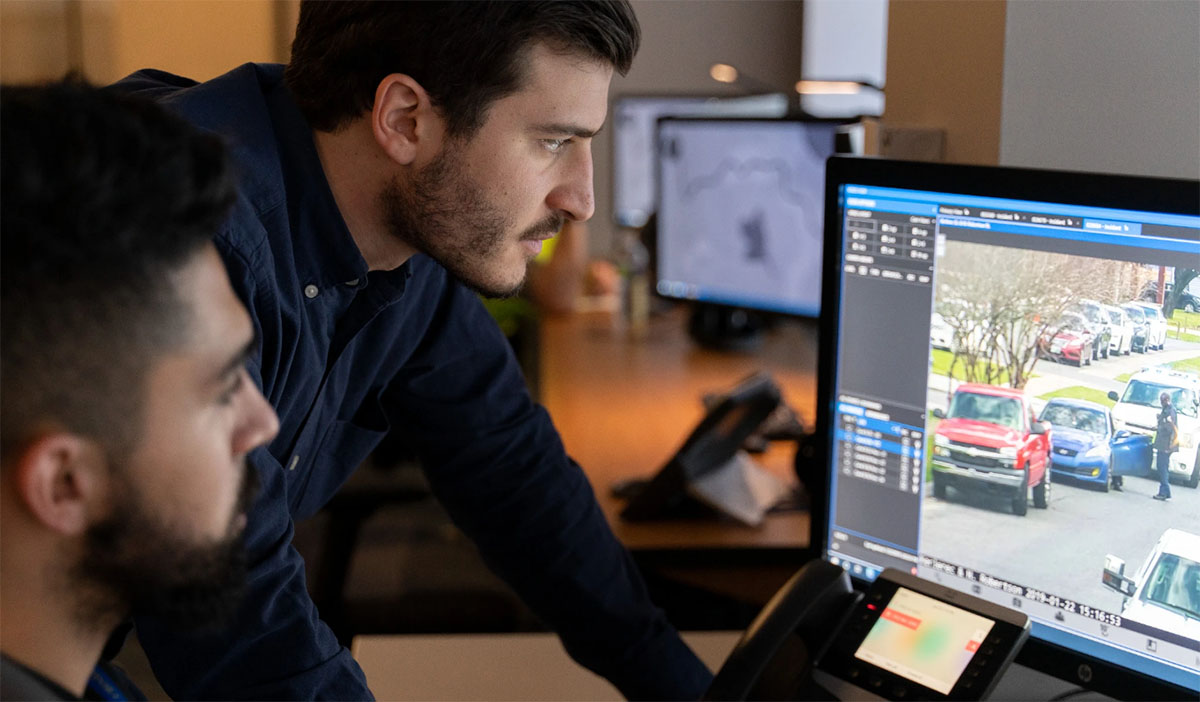
I see a lot of 911 communications dispatch centers in the course of my work, and some function better than others. When attention is paid to the design and layout of dispatch center furniture, that makes a positive difference in efficiency and comfort.

The furniture and layout of a dispatch center can almost always be improved. There are techniques for arranging dispatch center furniture, two-way radios, monitors, and phone systems to help emergency responders do their jobs.

Tags: Public Safety Communications

Read More

Employee Spotlight: Emory Ludtke

Posted by Lisa MacGillivray on Tuesday, May 18, 2021

Talk about experience. 

Shop Supervisor Emory Ludtke has spent his entire adult life working in communications, beginning with military service at age 17. 

He has been with Chicago Communications for 30 years since the company acquired MetroCom in 1991. 

Emory speaks with pride about the team of experienced technicians that he leads at Chicago Communications, calling them “the BEST co‑workers around.”

Tags: Employee Spotlight

Read More

Healthcare workers are our heroes. Throughout the ages, and especially through the pandemic, they’ve stayed on the frontlines tending to the sick and managing unprecedented levels of stress and grief. We salute these essential workers who put others’ health above their own. 

Read More

Two-way radios keep teams connected when it matters most. Out of the box, though, they are generic. Programming is what turns them into a simple, reliable system that fits your people, sites, and workflows.

Some organizations handle basic setup in-house, but most rely on a licensed provider to ensure the details are correct and documented. With radios, programming is everything: a single button can be configured to do dozens of different things.

Here’s what to know about programming for business, education, healthcare, and manufacturing. If you work in public safety, we will tailor the process to meet your specific standards.

Tags: Two Way Radios, Chicago Communications, Digital Two-Way Radios, Maintenance/Installation/Service

Read More

Principal Profile: Kurt Hessler

Posted by Lisa MacGillivray on Tuesday, April 20, 2021

Kurt Hessler, a principal/owner at Chicago Communications welcomes everyone — customers, clients, and employees — into the Chicago Communications family. He has been a member of the Chicago Communications leadership team since 2004.

As the person responsible for sales and service, he makes sure that the company represents the right products from the right partners, and treats each customer as an individual. He takes pride in making sure that everyone gets their needs met and receives training for hassle‑free communications.

“It’s all about relationships,” says Kurt. “Treat each customer as if they're your only customer; like you would want to be treated.”

Tags: Pointers from the Principals, Employee Spotlight

Read More

Public safety requirements for distributed antenna systems are a key part of fire safety inspections. School campuses, hospitals, manufacturing facilities or commercial businesses can expect a visit from a fire marshall at least yearly to ensure operations are in compliance with local or national code regulations.

Read More

Whether you’re upgrading your communications systems for better efficiency and productivity or gathering broken radios to take in for repairs, there’s likely a box of equipment somewhere that needs to be handled. 

Finding the best way to dispose of used communications equipment is a key part of two-way radio maintenance. Old communications equipment can contain potentially hazardous materials like mercury or lead, and need to be disposed of responsibly and safely so they do not harm the environment. That equipment can include a variety of different parts:

Tags: Two Way Radios

Read More

If there’s one thing that can stop productivity and efficiency in its tracks, it’s equipment failure. When your team cannot stay connected using devices like two‑way radios, it affects everyone’s ability to respond quickly and effectively to issues that arise.

Just like Captain says to Lucas (Paul Newman) in Cool Hand Luke, “What we've got here is failure to communicate.” 

Unfortunately, it’s not just something that happens on screen. Communication failures that stem from equipment failures are common. At least in the movies, there’s almost always a happy ending. Check out these seven examples of communication mishaps in movies where equipment failure mattered.

Tags: Chicago Communications

Read More

Employee Spotlight: John Larson

Posted by Lisa MacGillivray on Tuesday, February 16, 2021

John Larson has been a member of the Chicago Communications team since 1996. Even after nearly 25 years on the job, John says no two days have been the same.

Tags: Employee Spotlight

Read More