<img height="1" width="1" src="https://www.facebook.com/tr?id=177704282845749&amp;ev=PageView &amp;noscript=1">

Chicomm Blog

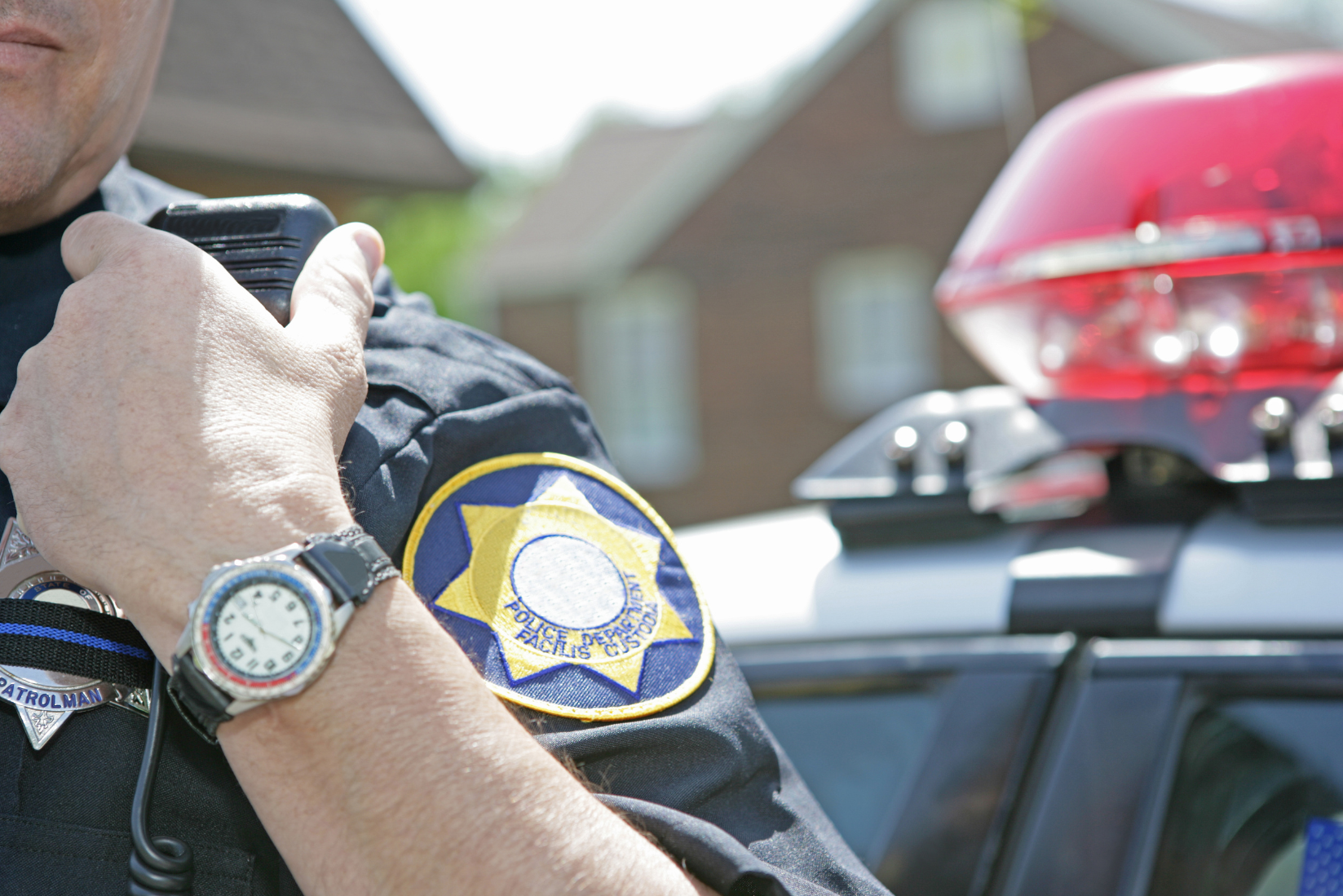
It’s almost impossible to imagine a successful disaster response operation without two-way radios. Radios are the lifeline of emergency communications, ensuring seamless connections, instant updates and collaboration, as well as unmatched reliability during times when cell phone towers can become overloaded.

Two-way radios, through both internal features and functionality as well as applications and accessories, bolster first responder communications for everyday use and during disasters.

Let’s take a closer look at the critical role of two-way radios in disaster response with an overview of the attributes that make them indispensable.

Tags: Two Way Radios, Public Safety Communications, Digital Two-Way Radios

Read More

The phonetic alphabet, or spelling alphabet, is one of the most universally recognized pieces of two-way radio lingo, and its history reveals a lot about the evolution of wireless technology and international cooperation.

If you’ve ever had to spell, then respell, then spell again a series of letters over a phone or two-way radio, you can understand why the spelling alphabet was developed. Many letters sound the same, and rather than risk miscommunication during mission critical transmissions and wartime broadcasts, officials adopted a universal set of words to represent letters.

For those of you curious about the history and usage over time, here’s a rundown of the Alpha Bravo Charlies (ABCs) of the two-way radio alphabet.


NATO Alphabet

In general, when people talk about spelling alphabets, they’re referring to the NATO alphabet, considered the international phonetic alphabet, that took effect starting in 1956. Because NATO allies led the effort for one universal standard, the alphabet was nicknamed after the organization.
Tags: Two Way Radios, Public Safety Communications

Read More

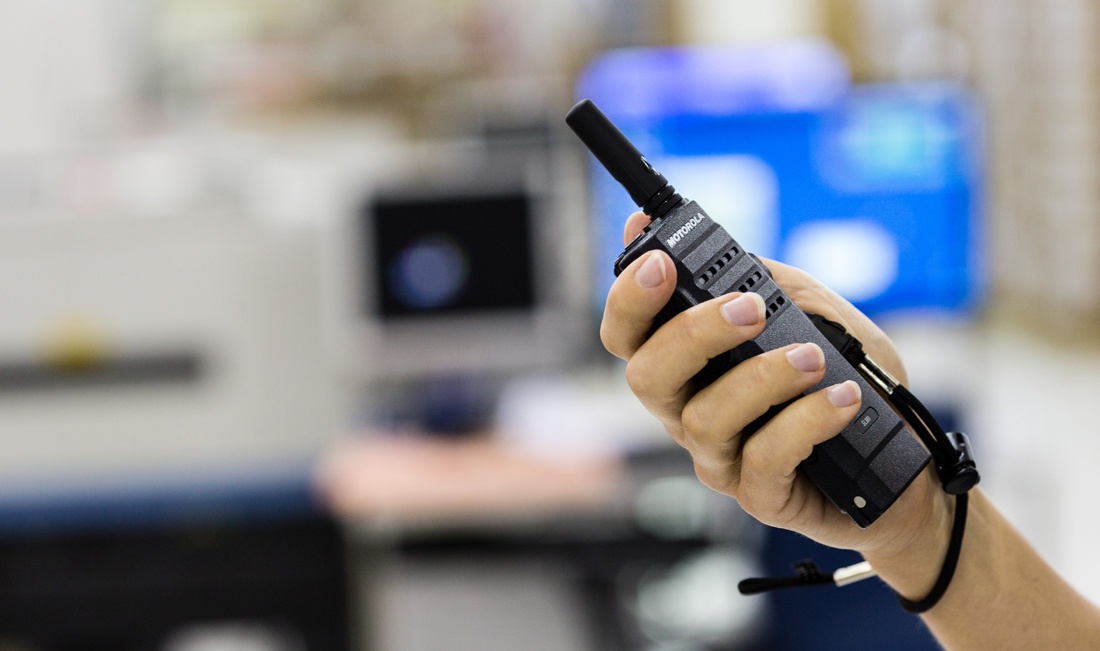
It probably seems as if Motorola two-way radios are constantly evolving, and gaining new features and functionality every time you turn around ­– and that’s because they are! (In fact, Motorola has had a key role in the evolution of two-way radio communication since the very beginning.)

Particularly as different models add new options, it can be helpful to look at Motorola radios side-by-side to compare their attributes and features, from push to talk to text messaging.

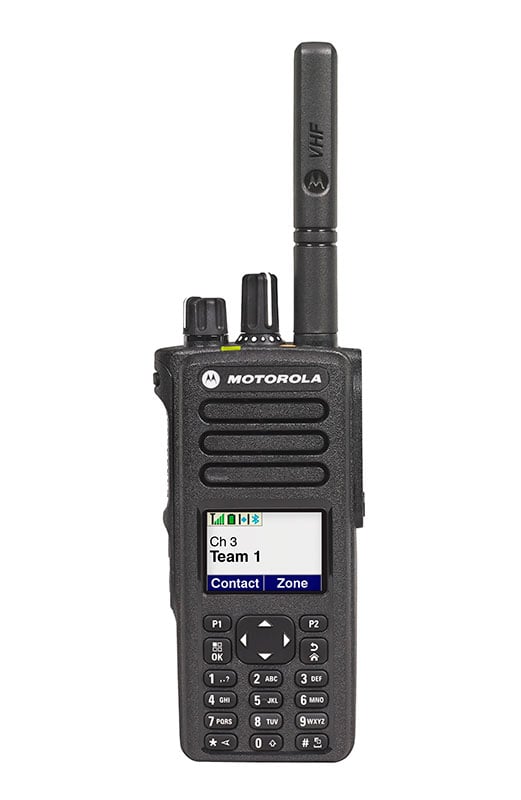
For now, let’s take a closer look at three models of Motorola two-way radios: the MOTOTRBO XPR 7550e Enabled, the XPR 7550e Capable, and XPR 7550.

Tags: Two Way Radios, MOTOTRBO, Digital Two-Way Radios

Read More

When you’re shopping for radios for your business, campus or agency, there are plenty of acronyms, numbers and lingo to keep track of, and that includes two-way radio frequencies: UHF or VHF.

Deciding which frequency you need is one of the first steps you should take when you’re upgrading, replacing or supplementing an existing fleet of two-way radios or choosing a handheld two-way radio for your team to use for the first time.

Let’s take a closer look at how to decide which of the two-way radio frequencies you need.

Tags: Two Way Radios, Digital Two-Way Radios

Read More

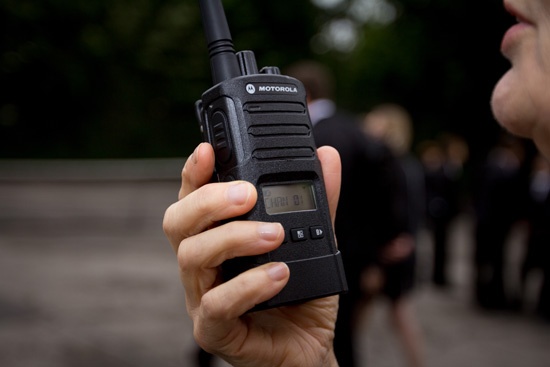
Shopping for a handheld two-way radio is a little like shopping for a car: There are plenty of models to choose from, the number of features increases with price, and going with a dealer you trust can be as important as what you buy.

To help you make the most informed decision for your agency, campus or team, here are some tips for choosing the right handheld two-way radio.

Don’t Get Blinded by Sticker Shock

When you start looking at two-way radios, put aside your price concerns and shop for what you need. Because if you shop solely on price, you’ll end up spending more in the long run on a product that doesn’t adequately address your communications issues. This includes understanding which of the radio frequencies to use as well as specific two-way radio features, such as push to talk, what two-way radio range you need, and whether they're needed for your line of work.

Solid, high-quality, dependable two way radios are more expensive and: they last longer, require less maintenance and have access to the most sophisticated features and functionality. Higher quality solutions are more likely to meet your two-way radio communication needs and provide scalability for growth in the future. 

Tags: Two Way Radios

Read More

Two-way radios have come a long way since their first use in public safety decades ago, and with wireless communications technology evolving more rapidly all the time, it’s exciting to think about where radios will be even one year from now.

Interoperability and convergence continue to drive the biggest trends for two-way radios, and with more industry-specific functionality being offered all the time, you can imagine that even more kinds of users will embrace two-way radios over smartphones or other devices.

Peering into our crystal ball, here are some educated guesses about where two-way radios will be one year from now.

Tags: Two Way Radios, MOTOTRBO, Digital Two-Way Radios

Read More

As wireless communication solutions are constantly evolving, it’s a challenge to keep up with the latest and greatest devices and functionality. While it would be impossible to keep up with every update or product that’s made available, it is worthwhile to conduct an occasional appraisal of your existing systems -- and your current challenges -- to see if a boost, replacement or new investment makes sense. 

To help with your once-over of your equipment, systems and challenges, here are five core wireless communication solutions to keep in mind that you may need to deploy, upgrade or replace. (Bonus: Check out our latest video, below, to find out how Chicago Communications helps companies and agencies meet their comprehensive communications needs.)

Tags: Two Way Radios, Chicago Communications, Public Safety Communications, Bi-Directional Amplifiers, Maintenance/Installation/Service, Wireless Networking

Read More

There's no use building the perfect wireless communications solution if your facilities manager isn't prepared to support and maintain it. To attract, identify and hire the best fit for your business, you’ll need to craft a facilities manager job description with the right amount of detail about the technology and processes you need the person to be familiar with, and the skills you need them to have.

When it comes to crafting the perfect facilities manager job description, keep these pointers in mind:

Tags: Two Way Radios, Manufacturing, Facilities Management

Read More

There’s exciting technology news from Down Under: A newly announced pilot program in Australia by Motorola Solutions and Ericsson is looking to bring next-generation push-to-talk communications to mobile radios, starting with the quickly evolving public safety market. The project builds on the major role Motorola mobile radios and Ericsson communications technology have played in the communications marketplace.

The trial technology is a key to forging a way for traditional radio voice communications to integrate and expand via mobile broadband.

Ericsson and Motorola are working alongside Telstra, the leading telecom and information services company in Australia with nearly 17 million mobile subscribers. The trio is also collaborating on creating global standards for a solution that would meet the unique needs and requirements of public safety users.

Tags: Two Way Radios, Public Safety Communications, Technology

Read More

When public safety agencies respond to an emergency, they are able to arrive at the scene of the event and deal with the emergency in mere moments. They are able to effectively communicate with their own team, different departments, the media, and even the general public, all without causing any delays or issues. When you stop to think about it, it seems like an incredibly daunting task to accomplish all of that in such a short period of time.

For them, it all starts with having an effective, comprehensive emergency communications strategy in place. This strategy typically includes everything from the types of equipment they will use in the dispatch center and in the field, the 10-codes they will rely on, and general best practices and procedures that they will follow.

Creating and using these communication strategies is just part of the job for those in public safety, but it isn’t always as top-of-mind for those working in other industries. For example, if you own a hotel or are part of the IT admin team at a school, or if you lead the night crew at a warehouse, chances are you aren’t always thinking of how you will communicate during an emergency.

Tags: Two Way Radios, Wireless Communication, Digital Two-Way Radios

Read More