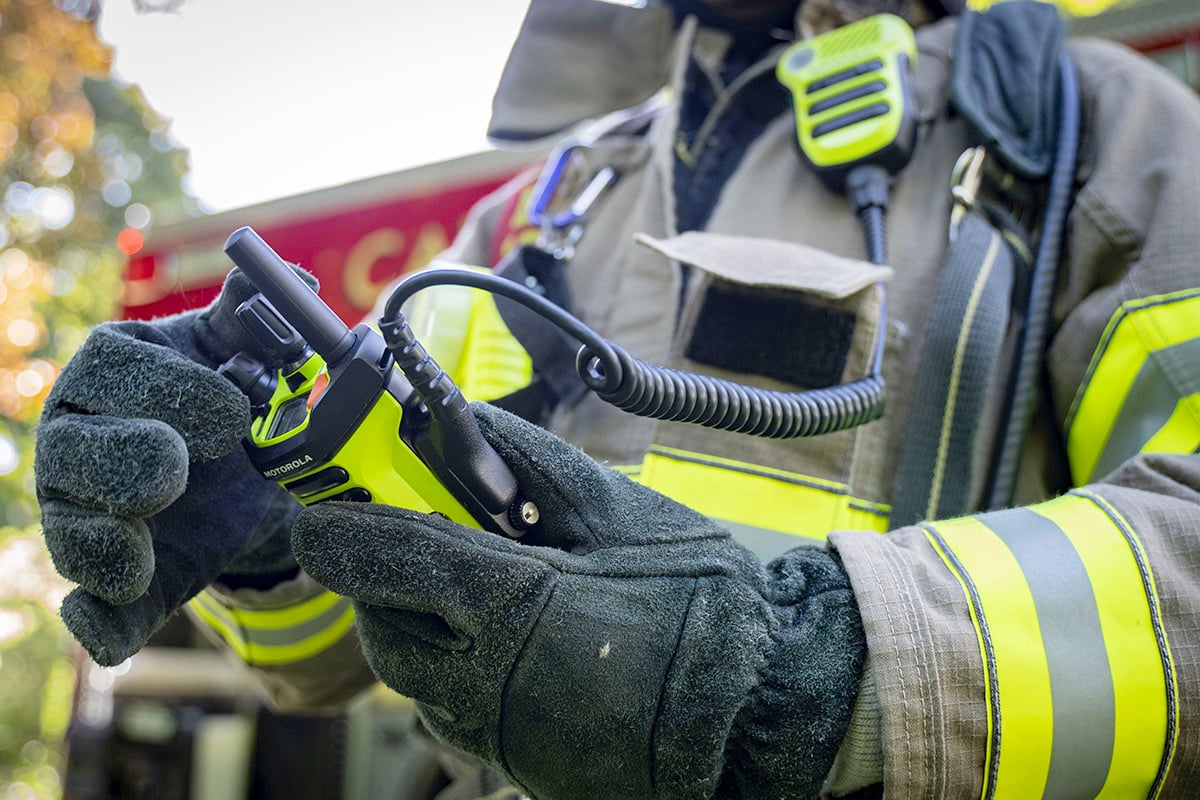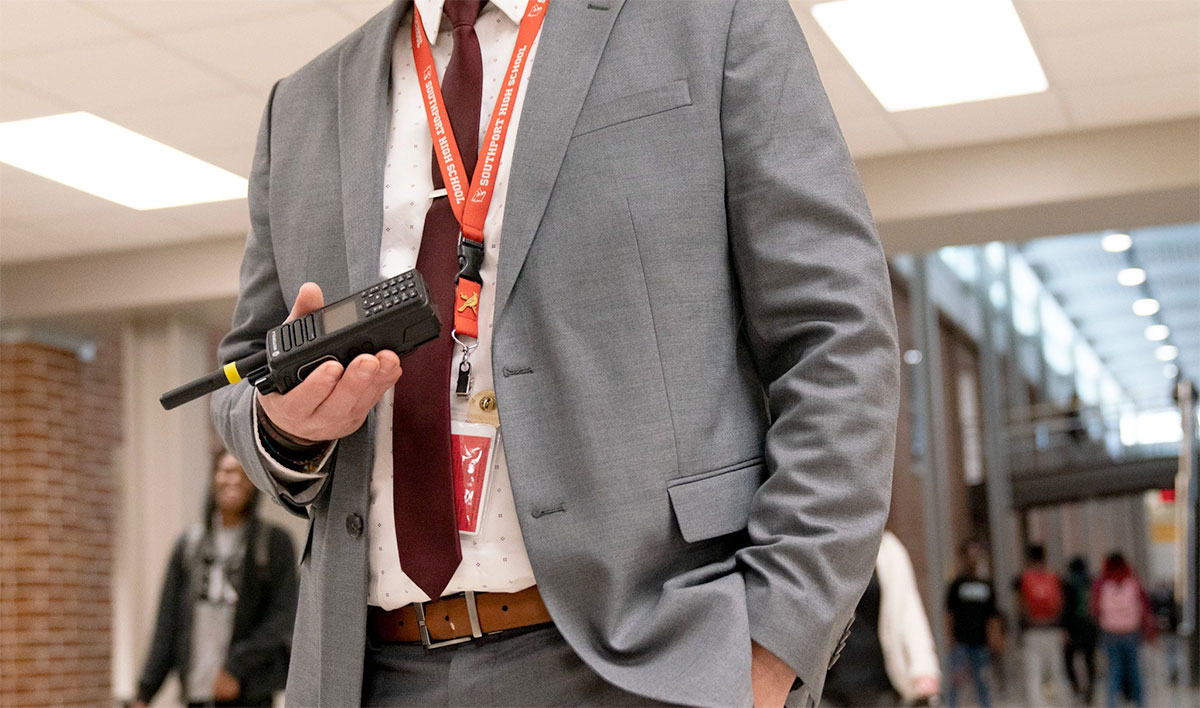
When firefighters, police officers, or EMTs enter a building during an emergency, they rely on their radios to stay connected with command and with each other.
But inside many buildings, that connection becomes unreliable.
When firefighters, police officers, or EMTs enter a building during an emergency, they rely on their radios to stay connected with command and with each other.
But inside many buildings, that connection becomes unreliable.
Tags: Public Safety Communications, Technology, Antenna System, Distributed Antenna System
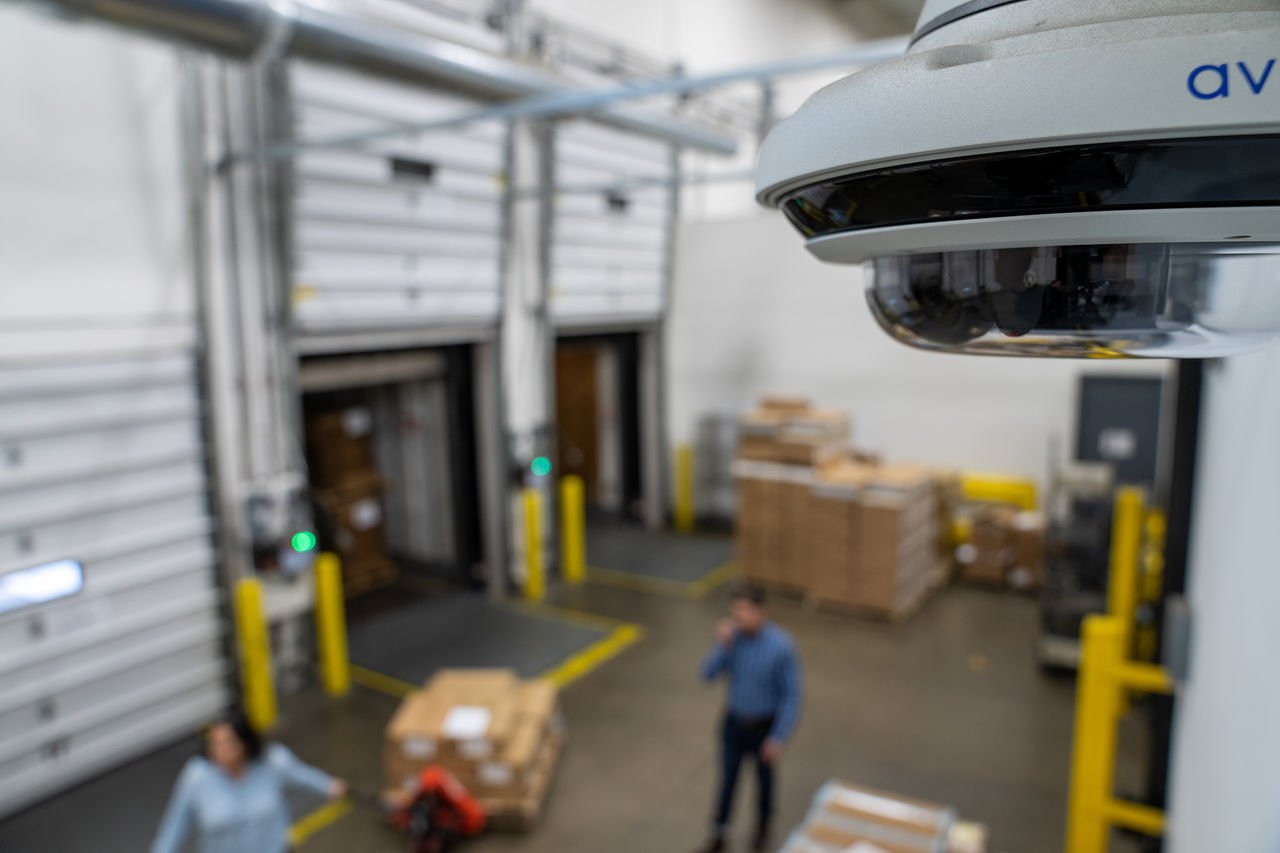
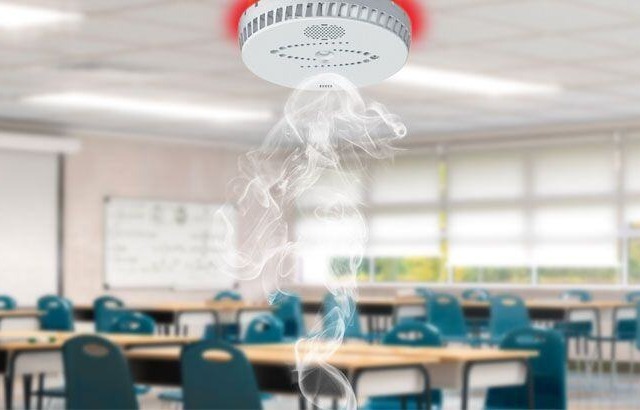
Read MoreVideo surveillance plays a key role in most safety strategies. But in schools and healthcare facilities, there are areas where cameras cannot and should not be installed.
Bathrooms. Locker rooms. Changing areas. Certain patient and behavioral health spaces.
The HALO Smart Sensor is designed to help address that gap.
Tags: Chicago Communications, Motorola Solutions, Technology, Education, Safety Solutions, Healthcare
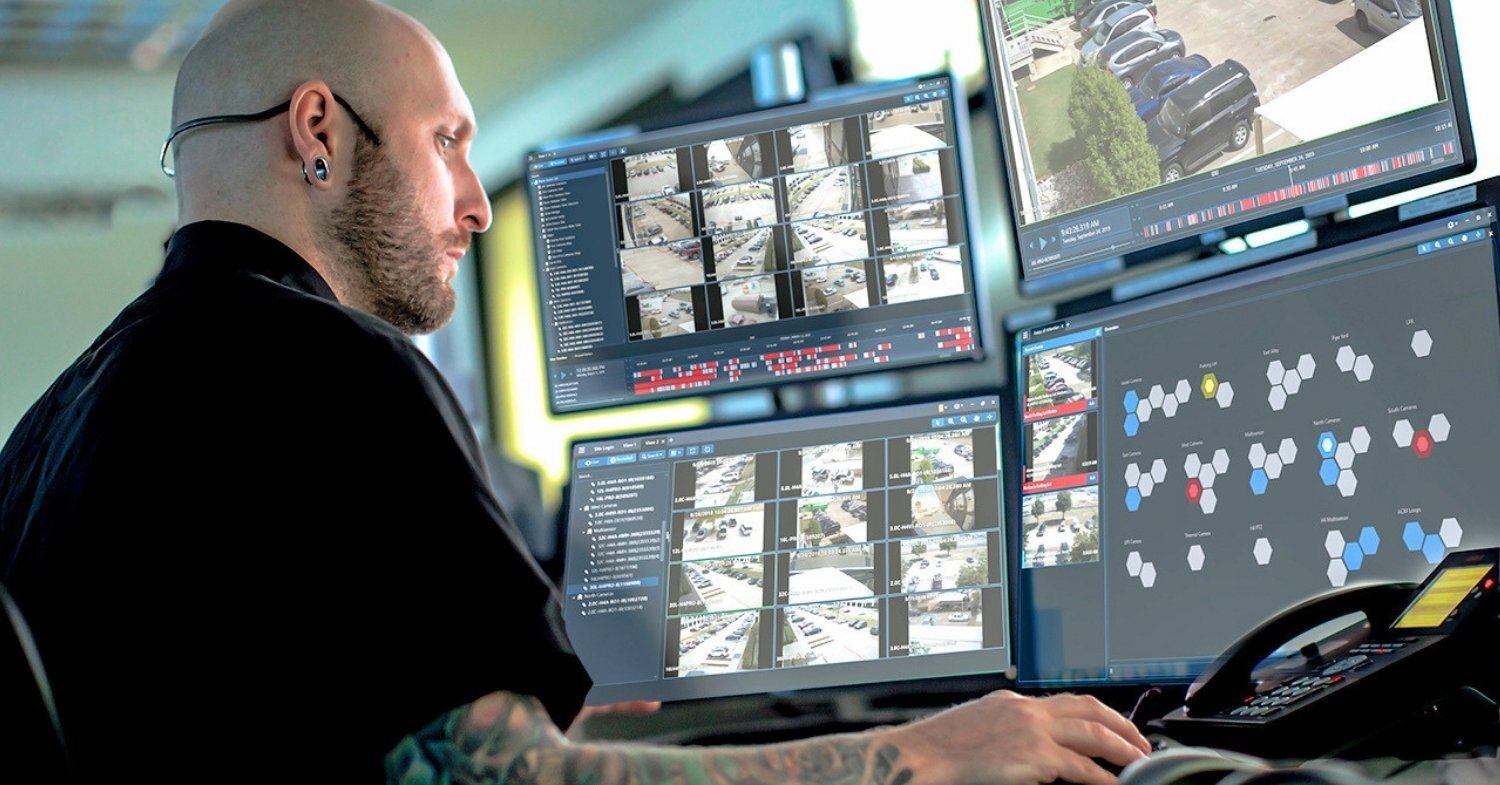
Read MoreMost organizations do not start out looking for a full-service communications partner. They start with a problem.
Maybe radio coverage drops inside a building. Maybe a system is aging and getting harder to maintain. Video may exist, but quickly pulling the right footage remains a challenge. Over time, systems get added, vendors change, and it becomes less clear who owns what.
That is when things get complicated.
Tags: Chicago Communications, Wireless Communication, Customer Service, Maintenance/Installation/Service
Read MoreLicense Plate Recognition (LPR) has become an increasingly common tool for public safety agencies and organizations looking to improve situational awareness and post-incident review.
When used appropriately, LPR can help teams identify vehicle activity associated with incidents, support investigations, and enhance response efforts.
At the same time, many organizations are unsure when LPR makes sense, how it fits into existing video systems, and what policies are needed to use it responsibly. Below, we break down what LPR is, how it’s commonly used, and what to consider before implementing it.
Tags: Public Safety Communications, Technology, Video Surveillance
Read MoreTwo‑way radios are a dependable way to keep people connected, especially when communication needs to be instant and reliable. Because radio spectrum is regulated, some two-way radios require a Federal Communications Commission (FCC) license to operate legally, while others can be used without an individual license when operated under specific rules.
This guide explains when an FCC license is required, when it is not, how to identify what you are using, and what it means to be FCC-compliant.
Tags: Two Way Radios, FCC
Read MoreThe end of the year always provides a time for reflection and an opportunity to focus on the path forward for the year ahead and beyond. With this in mind, I want to take the time to share some of the exciting accomplishments and acknowledge the teams from CSE Crosscom US and UK, a leading provider ofmission-critical communications and video solutions.
Tags: Chicago Communications, Motorola Solutions, Bi-Directional Amplifiers, Digital Two-Way Radios, Video Surveillance, Distributed Antenna System
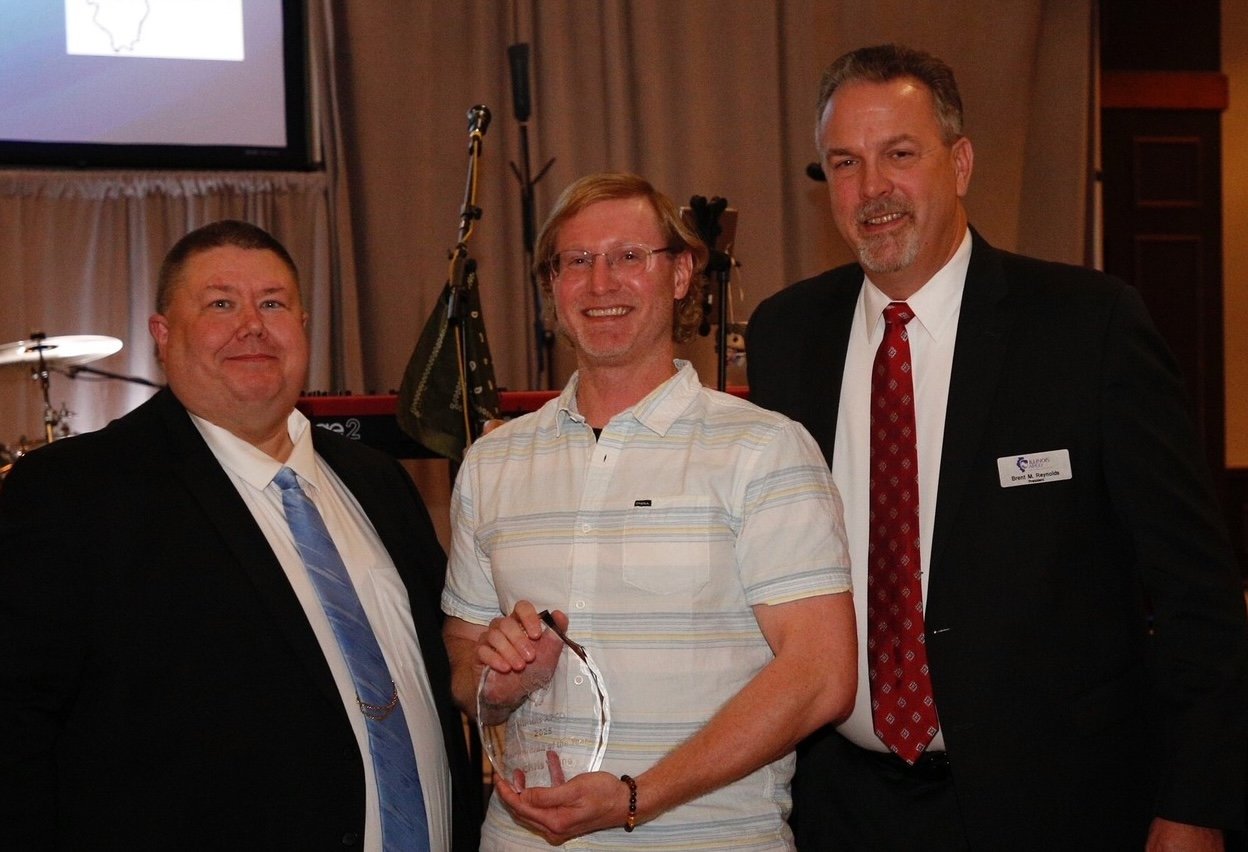
Read MoreChicago Communications is proud to share that Chris Young, System Integrator based out of our Elmhurst, Illinois office, has been named 2025 Technician of the Year by the Illinois Chapter of APCO.
Chris received the award at this year’s Illinois Public Safety Telecommunications Association (IPSTA) Conference, co-sponsored by Illinois APCO and the Illinois NENA (INENA) chapter. The honor reflects his technical skill, leadership, and long-standing commitment to public safety communications across the region.

Tags: Chicago Communications, Employee Spotlight, Customer Service
Read MoreBudgets are tight, so the goal is simple: use the right technologies (and the right upgrades) to improve reliability, coverage, and interoperability.
Let’s walk through what delivers the most value in 2026 and how to match each option to the problems you actually need to solve.
Tags: Two Way Radios, Chicago Communications, Motorola Solutions, Wireless Communication, Radio System, Technology, Safety Solutions, Product Spotlight
Read MoreReliable batteries keep your team talking. The fastest way to extend Motorola two-way radio battery life is to use Motorola-approved chargers, follow a steady daily charge routine, store spares correctly, and replace aging packs before capacity drops.
This guide provides clear steps to reduce downtime and help your batteries last longer, based on our extensive service experience.
Tags: Two Way Radios, Chicago Communications, Motorola Solutions, Two Way Radio Accessories, Maintenance/Installation/Service
Read MoreReliable in-building wireless communication is essential for safety and efficiency. Whether it is public safety teams coordinating during emergencies, hospital staff relying on instant communication, or employees depending on WiFi for daily operations, strong connectivity keeps people and systems working together.
Many facilities continue to experience dead zones, dropped calls, or unreliable radio coverage within their buildings. If that sounds familiar, you are not alone, and the good news is that there are proven ways to fix it.
At Chicago Communications, we’re here to help you understand why these problems happen and how to solve them for good.
This guide explains why wireless coverage fails indoors and the solutions that restore clear, consistent communication across your building or campus.
Tags: Wireless Communication, Technology, Bi-Directional Amplifiers, Distributed Antenna System
Read More