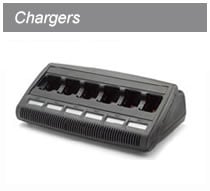
Whether you are renting radios for your next summer event or you are a long-time owner of some Motorola digital two-way radios, you should know that the radio is actually just the first piece of the communications puzzle. What does that mean? Accessories.
Radio accessories are important to the experience you have with your radios, because they help enhance and customize your communications to your exact need. For example, those renting radios for a festival will be using their radios differently than workers in a manufacturing plant, and accessories help tailor that experience. While some users' top priority is a hands-free experience (that's where earpieces/headsets come in) others may place an emphasis on battery life.