<img height="1" width="1" src="https://www.facebook.com/tr?id=177704282845749&amp;ev=PageView &amp;noscript=1">

Chicomm Blog

Spotty cell phone coverage and unreliable radio connectivity have never been good things, but there was a time when people used their devices for less and were more tolerant of gaps in performance. 

But as cell phones have replaced landlines and radios continue to replace cell phones, the bar has been raised on the expectation for connecting quickly and seamlessly. Add to that the explosive growth in data services such as text messaging and streaming, and it’s enough to put a strain on even the most sophisticated system.

The good news is that you don’t have to just live with poor in-building connectivity, and here we’ll take a look at some of the most effective options for how to improve cell phone coverage and radio range.

Tags: Cellular Technology, Distributed Antenna System

Read More

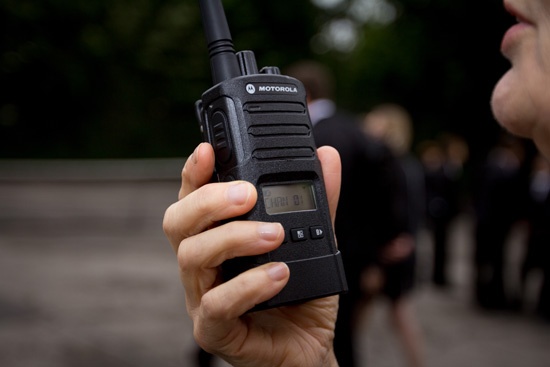
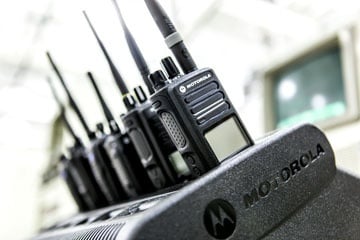
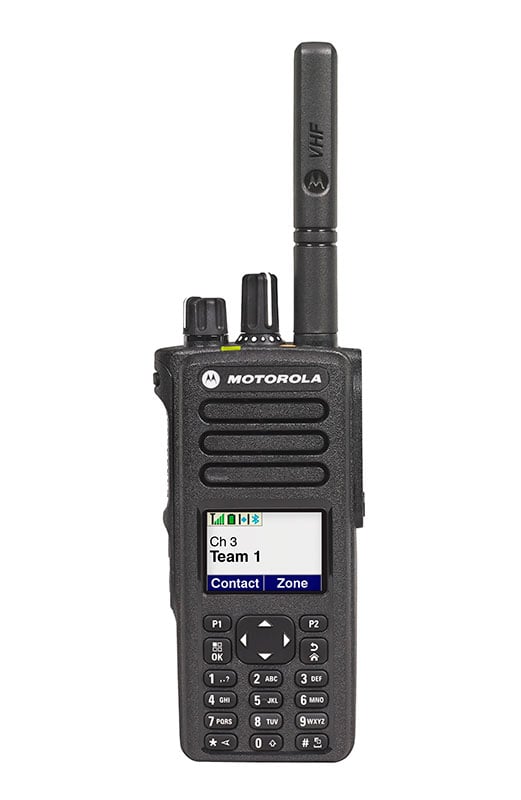
Shopping for a handheld two-way radio is a little like shopping for a car: There are plenty of models to choose from, the number of features increases with price, and going with a dealer you trust can be as important as what you buy.

To help you make the most informed decision for your agency, campus or team, here are some tips for choosing the right handheld two-way radio.

Don’t Get Blinded by Sticker Shock

When you start looking at two-way radios, put aside your price concerns and shop for what you need. Because if you shop solely on price, you’ll end up spending more in the long run on a product that doesn’t adequately address your communications issues. This includes understanding which of the radio frequencies to use as well as specific two-way radio features, such as push to talk, what two-way radio range you need, and whether they're needed for your line of work.

Solid, high-quality, dependable two way radios are more expensive and: they last longer, require less maintenance and have access to the most sophisticated features and functionality. Higher quality solutions are more likely to meet your two-way radio communication needs and provide scalability for growth in the future. 

Tags: Two Way Radios

Read More

Motorola Solutions periodically conducts surveys to gather insights and feedback as part of its effort to continuously improve wireless communications for users and teams. The 2016 Commercial Survey collected input from 1,200 business and industry participants, “the largest single group of whom currently use two-way radios,” according to the company.

Respondents identified six wireless communications priorities they said would improve team efficiency, productivity and safety: Performance, Ruggedness, Voice & Data, Instant Work Group Communications, Application Integration and Interoperability.

Let’s take a closer look at each of the top six priorities for team wireless communications.

Tags: Wireless Communication, Technology, MOTOTRBO, Digital Two-Way Radios

Read More

Best Blogs for the Health Care Industry

Posted by Lisa MacGillivray on Wednesday, March 29, 2017

Given the ever-changing nature of the health care industry, it can be difficult to keep up with all of the shifts in technology, legislation, policy and recommendations. Luckily, in additional to traditional media outlets, there are some great blogs out there from a range of different sources that provide timely updates, news and analysis.

With content including consumer-focused public health posts to opinionated political rants, here are some of the best blogs for the health care industry.

Tags: Healthcare

Read More

Coming up with creative customer service training ideas can be a challenge. You want material that will fire up your new hires and keep your seasoned employees motivated and inspired. All while making sure everyone internalizes the fact that customer service is at the heart of everything that you do. 

Customer service training can be your opportunity to show staff how you set yourself apart from the competition and give them unique perspectives on what kind of customer experience you’re creating.

As you’re preparing for your next session, here are customer service training ideas to energize your team.

Tags: Customer Service

Read More

Public safety agencies are pros at maximizing their resources to go above and beyond with less, and the new trends in emergency vehicle equipment reflect that ability.

One common theme across the newest products is that they pack as much power into as small a device or as little space as possible. From three-in-one exterior lights for police cruisers to small mobile radios with oversized controls for firefighters, equipment is working harder, not larger, to keep first responders safe.

The start of a new year is always an exciting time to look ahead at new features and functionality, so here are some emergency vehicle equipment trends for 2017:

Tags: Public Safety Communications

Read More

Many of the best public safety blogs are written by law enforcement, for law enforcement. But in addition to connecting officers across public safety agencies, blogs can also be an effective way for law enforcement to engage with their communities.

Police departments around the country are using public safety blogs to further their overall community policing strategies, with the ability to quickly disseminate information, offer the public a glimpse into the world of policing and even get a laugh or two.

Here are 7 reasons your agency might want to consider publishing public safety blogs.  

Tags: Public Safety Communications

Read More

As more police departments – and state legislatures – weigh the use of police body cameras, cost has emerged as the leading barrier. In addition to funding the equipment, training and maintenance, departments and municipalities must also cover the considerable cost of storing video footage.

Storage costs, in fact, have proven to the be most expensive part of a body camera program, according to a Department of Justice Report, “Implementing a Body-Worn Camera Program: Recommendations and Lessons Learned.” 

“Storing videos over the long term is an ongoing, extreme cost that agencies have to anticipate,” said Captain Thomas Roberts of Las Vegas in the report. While the cameras generally range in cost from $300 to $800 per officer, which is a fixed cost, the bill for storage can be close to $1,500 per year, per unit, which is an ongoing cost.

Law enforcement agencies across the country are coming up with creative solutions to minimize their storage costs for body cameras, so let’s take a look at three of them.

Tags: Public Safety Communications

Read More

Much has changed about public engagement for public safety agencies since the days when officers were encouraged not to interact with the people on their beats and not to get too attached to any one community or neighborhood.

Today, departments around the country are successfully engaging with the public outside of strictly law enforcement activities to build mutual trust, relationships and connections. Some departments have gotten particularly creative in their public engagement work, making officers a presence in communities beyond walking the beat, while giving members of the public unique opportunities to be heard. Agencies are also using wireless communications technology to keep in constant contact.

By building dialogues online and in person, here are some examples of public safety agencies that are making public engagement a two-way street. 

Tags: Public Safety Communications

Read More

Your police public information officer (PIO) is in charge of developing and implementing your public safety communications strategy, and chances are, they’ve got some things they’d love to change.

Because PIOs’ primary responsibility is to interact with the news media during emergencies and situations that are of the public interest, it’s tempting to think that’s where their jobs begin and end. But PIOs also serve an important community relations function and can coordinate communications during large-scale events – if they’re given the room to do so.

Here are five public safety communications strategies that we bet your police PIO wants to change.

Tags: Public Safety Communications

Read More