

Are you searching for “walkie-talkie repair near me,” unsure when to replace an outdated two-way radio, or wondering how to catch small issues early with preventive maintenance? You don't need to be a radio expert to make the right call. Keep reading for a clear breakdown of repair, replacement, leasing, and maintenance options, plus questions to ask any provider to avoid overpaying or being blindsided by downtime.
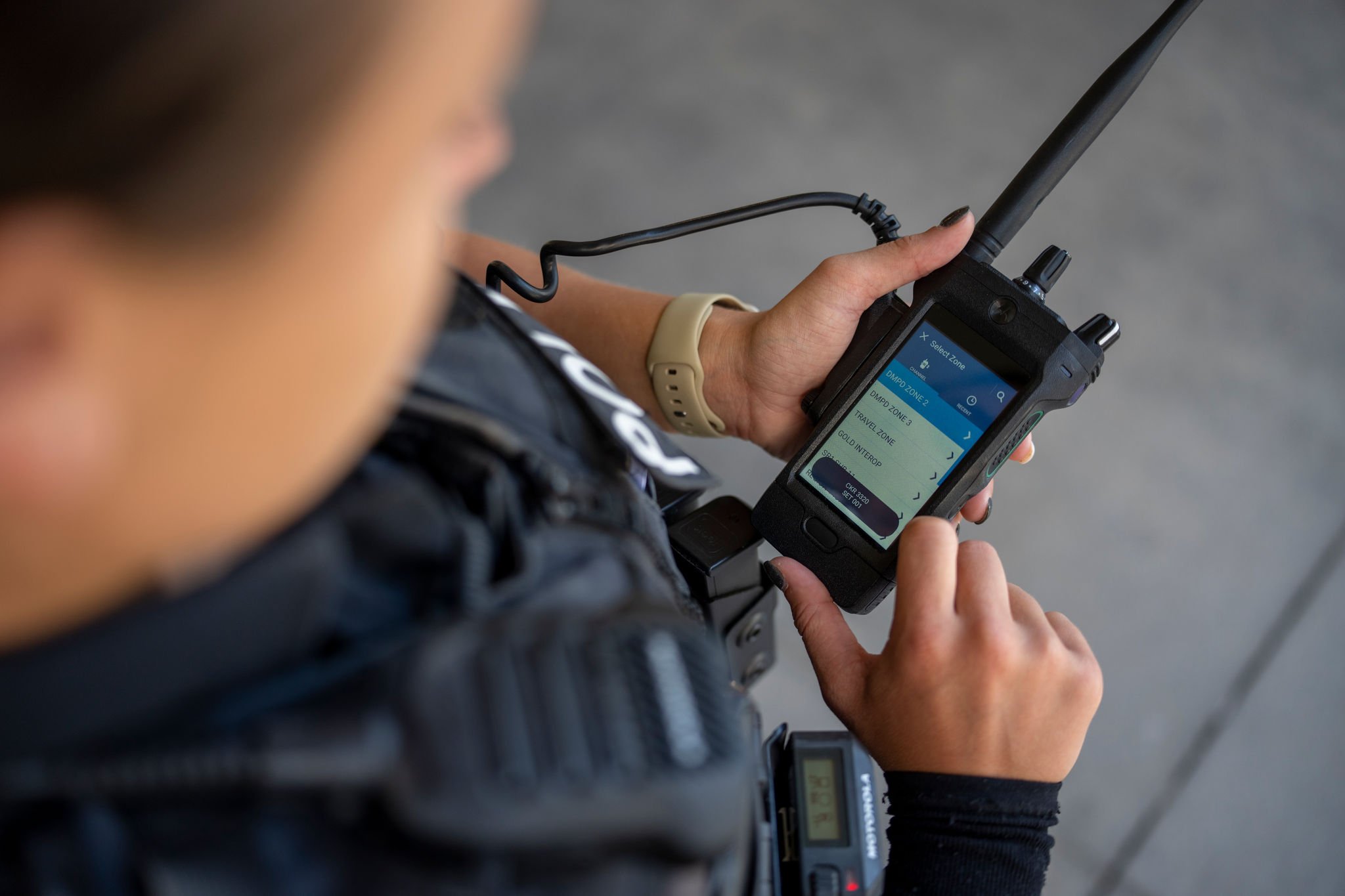
Should You Repair, Replace, Or Lease?
Before you assume the worst, let's rule out the easy stuff first. A few common culprits are behind more radio issues than you'd think:
- Is the antenna loose, bent, or the wrong type? A damaged or mismatched antenna is one of the most common causes of poor reception.
- Do you need a fresh battery? Batteries typically last 18 to 24 months, and a drained one is often mistaken for a bigger problem.
- Is there dust and dirt buildup in the speaker grill? This is surprisingly common in industrial or outdoor settings and causes muffled sound.
Once you rule those out, the next question is simple: who should handle the repair? This choice shapes your cost, your turnaround time, and whether your warranty remains in effect.
For everyday issues, an in-house technician usually has you covered. Think cracked cases, faulty buttons, damaged ports, or firmware glitches. A certified technician can typically diagnose and fix these on-site, which is usually the fastest and most affordable option.
For anything deeper, you'll want a manufacturer who can go straight to the source. Internal circuitry problems and deep software failures need factory-level tools most in-house teams simply don't have.
One wrong move here can cost you. An uncertified shop can mean paying full price for something your warranty should've covered, or losing that coverage entirely.
ChiComm protects you from both. As a certified elite service specialist, we coordinate directly with Motorola and confirm your warranty coverage before any work begins.
When Should You Replace Instead of Repair?
A repair quote that comes close to replacement cost, or an older unit that's lost access to new firmware and security updates, is a clear sign it's time to replace.
Radios generally last five to seven years, and replacement usually makes the most sense when parts are no longer available for an older or discontinued model or when your organization has outgrown the equipment due to new operational needs, like added facilities, more staff on shift, or a switch to digital systems for better coverage.

Why Lease Rather Than Buy Outright?
Leasing gives fleets, seasonal operations, and budget-conscious teams predictable monthly costs instead of a large upfront purchase.
Rather than one large expense, equipment, installation, and training costs can often roll into a single, affordable monthly payment.
Specific leasing advantages worth knowing:
- Preserved credit lines: a lease payment doesn't affect your existing bank or credit lines the way a purchase does
- Fixed payments: lease payments stay consistent regardless of interest rate changes, which makes budgeting predictable

What to Ask About Radio Service Support
Evaluating service support for two-way radios means assessing how well a maintenance plan, warranty, or repair provider handles hardware fixes, software updates, technical troubleshooting, and long-term equipment care.
Is the Provider a Certified Service Center?
Certification means a provider meets standards for training, diagnostic tools, and genuine parts. ChiComm holds Elite Service Specialist status with Motorola Solutions, so repairs follow manufacturer-approved processes from diagnosis to final testing.
Will an In-House Technician Handle Your Repair, or Is It Outsourced?
Ask this directly, since it affects turnaround time and hardware repair quality. A provider who outsources loses time and visibility; ChiComm's certified technicians are union professionals working in-house, which keeps turnaround fast and accountability clear.
Are Software and Firmware Updates Included?
Firmware and software updates aren't just new features; they patch cybersecurity vulnerabilities that keep your fleet secure. A provider should proactively manage these updates rather than leaving you to track them.
Can the Provider Diagnose Your Whole System, Not Just the Radio?
Sometimes the radio isn't the problem. The system is. A provider who only looks at the unit in front of them can miss a signal, infrastructure, or coverage issue that causes the same failure again in a different radio next month. ChiComm can arrange a full site walk to evaluate your entire system when a single repair doesn't fully explain the issue.
How Does Illinois Licensing and Compliance Affect Your Service Support?
In most cases, repairs don't require new FCC licensing, but changes to frequency, power output, or equipment type. Illinois public safety agencies in particular operate under interoperability requirements that a service provider should understand before touching your equipment.
How Small Checkups Prevent Big Bills
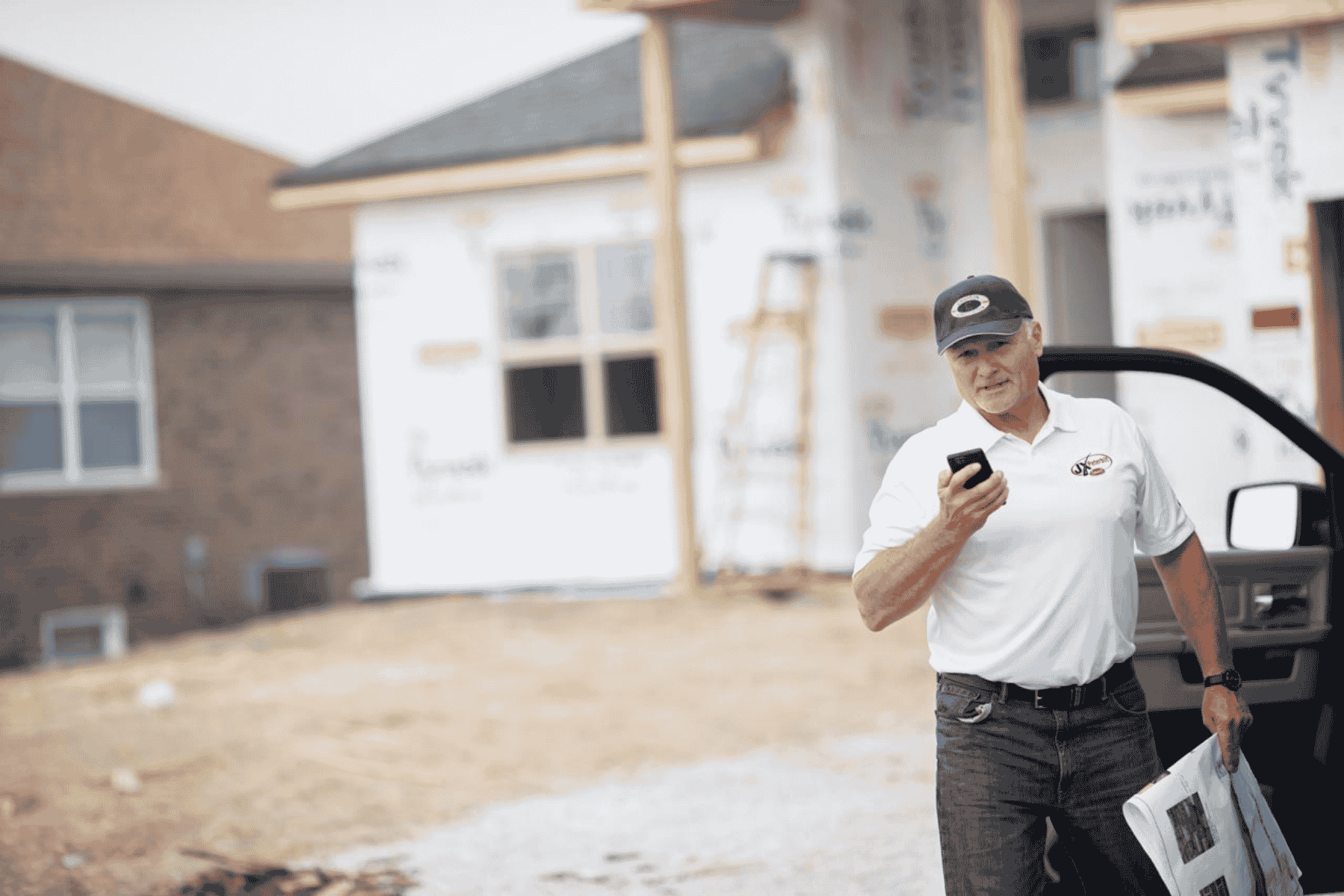
Preventive maintenance is designed to catch small issues before they become the wrench-in-your-day moment, including expensive repairs, unplanned bills, or unexpected downtime.
You can enter into contracts that include preventive maintenance, like ChiComm's Advanced tier, which adds 24/7 infrastructure support and annual maintenance service, making it the most common choice for teams that need maximum uptime.
Your Next Step
A malfunctioning radio doesn't wait for a convenient time. Having a plan means fewer surprises, a longer lifespan, and equipment that meets your ever-changing needs.
Keep Exploring
Troubleshooting Checklist: Quick Fixes Before You Call for Repair
https://www.chicomm.com/top-tips-for-two-way-radio-maintenance-and-troubleshooting#checklist
Two-Way Radio Maintenance Contracts: Fewer Repairs, More Uptime
https://www.chicomm.com/maintenance-contracts