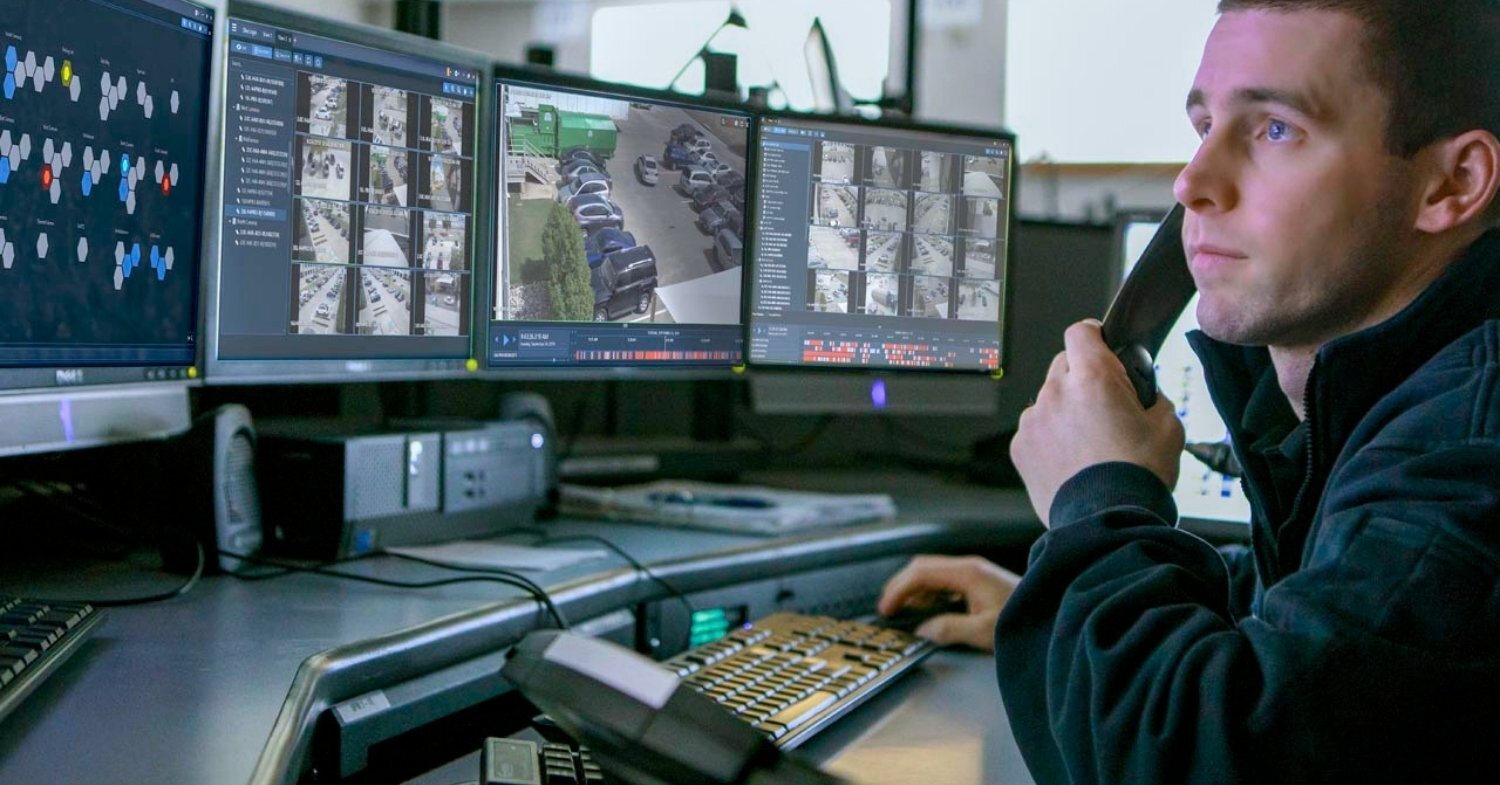
Burnout. It’s a common problem among radio dispatchers. Lean teams, heavy workloads, and outdated technology that adds pressure instead of easing it. Relief begins with the right technology at your fingertips. This guide helps you find the radio dispatch console that supports your team and meets the demands of your work environment.
What Is a Radio Dispatch Console?
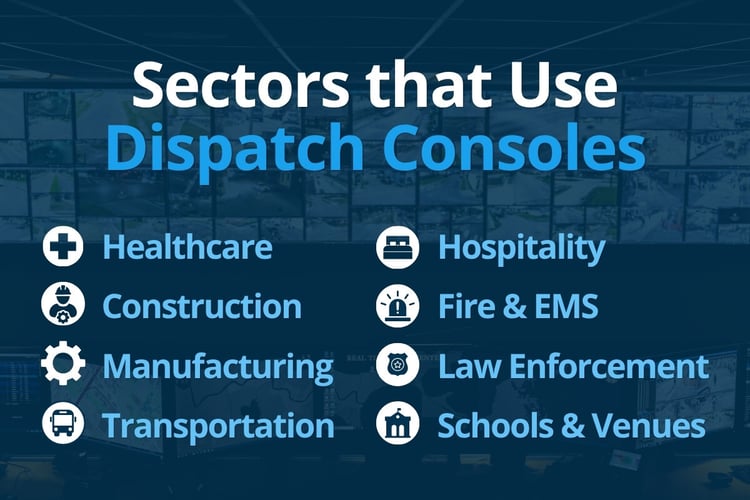
911 centers, hospitals, manufacturing settings, hotels, utilities, amusement parks, schools, and more all depend on a dispatch communication system. A radio dispatch console is a way to centralize communication from one location. Anywhere instant, seamless communication is essential for keeping people connected and protected; this technology makes it possible.
3 Questions to Ask Before Choosing a Console
Not every console is suited for every environment. The ideal system for a 911 center differs from the one for a hotel security operation or an amusement park. Before evaluating any product, focus on the three key questions to ask first.
Will it grow with you?
Your operation today may look different from your operation three years from now. Teams expand, facilities change, and communication demands increase. A scalable console lets you add positions, channels, and capabilities without replacing the entire system. Look for solutions that can grow incrementally so your investment stays relevant as your needs evolve.
Does it work with what you have?
A new console should not force you to discard your existing infrastructure. Modern dispatch consoles are built to work seamlessly with two-way radio systems, current phones, and operational software you already depend on. Look for interoperability to ensure your team can continue working without a complete overhaul, saving your budget in the process.
What if something goes wrong?
In high-pressure environments, system failures never happen at convenient times. When choosing a console, you want to look for redundancy. Redundancy means your infrastructure has a built-in fallback plan, whether that is a secondary network connection, failover routing, or a backup deployment option. Prioritize reliability as a feature to keep your team connected even when part of the system goes down.
The right answers to these three questions will narrow your options considerably. And when your technology is scalable, interoperable, and reliable, it stops being a source of pressure and starts being a source of support.
Explore Console Solutions

The Right Console for Your Team and Budget
Knowing what to look for is half the battle. The other half is finding the system that actually fits your team and your budget.
Based on the environments Chicago Communications serves, here are two radio dispatch console options that consistently rise to the top, each for different reasons.
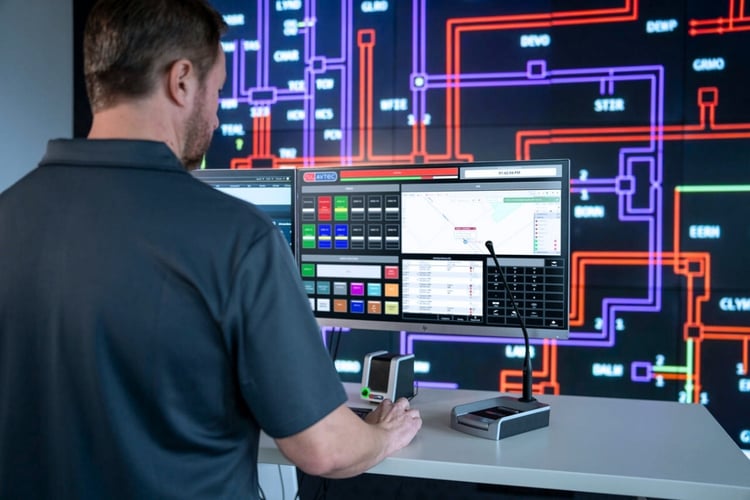
Avtec Scout, a future-proof software platform, is scalable and customizable for hospitals, utilities, and other organizations that need reliable, configurable dispatch.
Adding a position or connecting a remote site used to mean significant infrastructure work and cost. Avtec Scout throws that model out entirely. It runs over your existing IP network. You can dispatch from anywhere. Have a public safety team managing communications at a parade, a 5K, or a community event? They can set up a fully functional dispatch position wherever required.
Audio never competes with your network. Scout separates the audio processing hardware from the computer running the software interface. Software updates, network traffic, or PC performance issues never bleed into what your dispatcher hears. No garbled audio or missed transmission that delays a response. It is one less thing a dispatcher has to troubleshoot during an already demanding shift.
Your dispatcher’s screen does not have to change. Switching systems does not have to mean starting over. Scout's configurable interface lets your team mirror the layout they already know, same colors, same organization, same muscle memory, or design something new entirely if a fresh start makes more sense. When a shift gets busy, the last thing anyone needs is to hunt for a button that used to be somewhere else.
Core features include:
- High-quality products designed, built, and supported in the USA
- A redundant, secure system for peace of mind
- Dependable operation for maximum uptime
- Simplified upgrades with operational continuity
- Fixed and mobile configurations
- Best-in-class product training and technical support

Motorola MCC 7500E: Designed Around People Using It
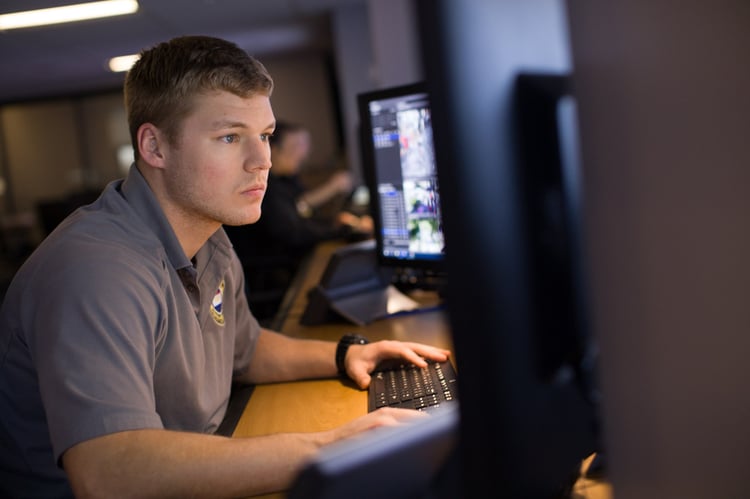
The MCC 7500E was built with the understanding that many 911 centers and emergency communications facilities still operate out of buildings designed decades ago. Space may be tight; however, the hardware running the MCC 7500E occupies just 165 cubic inches of physical space, which is roughly the size of a large hardcover book and a 90% reduction compared to previous console systems. This console supports the dispatch center, looking to modernize without renovating to make room.
Motorola Solutions’ commitment to getting it right does not stop at space-saving. MCC 7500E’s features are a direct result of real dispatcher feedback. The Enhanced Integrated Recall Recorder is a great example. When there is no time to wait for IT to retrieve an audio file, your dispatcher can instantly replay the last transmission from the console. Every call is automatically captured with full metadata, ready for compliance reviews, training, liability protection, and post-incident debriefs.
Real dispatcher feedback also drives how teams avoid unexpected failures. Most dispatch centers connect their consoles through a single network switch. If that switch fails, every position connected goes dark. For a lean team already managing heavy call volume, a full room outage is a crisis on top of a crisis. The MCC 7500E avoids a crisis by simultaneously connecting through two separate Ethernet paths. If one fails, the system automatically switches to the other without requiring any manual intervention. Your dispatchers stay focused on the incident in front of them, not on troubleshooting the infrastructure behind them.
Core features include:
- Redundant dual Ethernet connection with automatic failover
- Smart voice prioritization and intelligent audio routing
- Enhanced Integrated Recall Recorder with full call metadata
- Compact form factor, 90% smaller than previous systems
- Integrated telephony for patching phone calls into radio talkgroups
- Customizable interface with flexible window sizing and resource coloring
- Integration with PremierOne CAD, MotoMapping, and third-party applications

More Than a Vendor. A Partner Who Stays.
The right radio dispatch console matters. So does the partner who helps you get there. ChiComm is a full-service communications integrator serving public safety agencies and operations teams across the Chicagoland region into Indiana, Wisconsin, Michigan, and beyond.
We do not drop off equipment and walk away. Every deployment starts with a deep understanding of how your operation actually works, and we retain full system responsibility through installation, optimization, and ongoing service.
Burnout does not have a single fix, but building systems that work for your people instead of against them is a powerful place to start. These are two of the console solutions ChiComm deploys, but they are not the only options. The right fit depends on your environment, your team size, and how your operation runs day to day.